InterfacesIntelligenceAnaxiIndexAnalysis
Open-source architecture intelligence
Understand the system.
Guide the agent.
AnaxiGraph turns a fast-growing codebase into shared architectural context—so people and AI coding agents can build without creating spaghetti code.
- Local-first
- Read-only scans
- MCP-native
- Apache 2.0
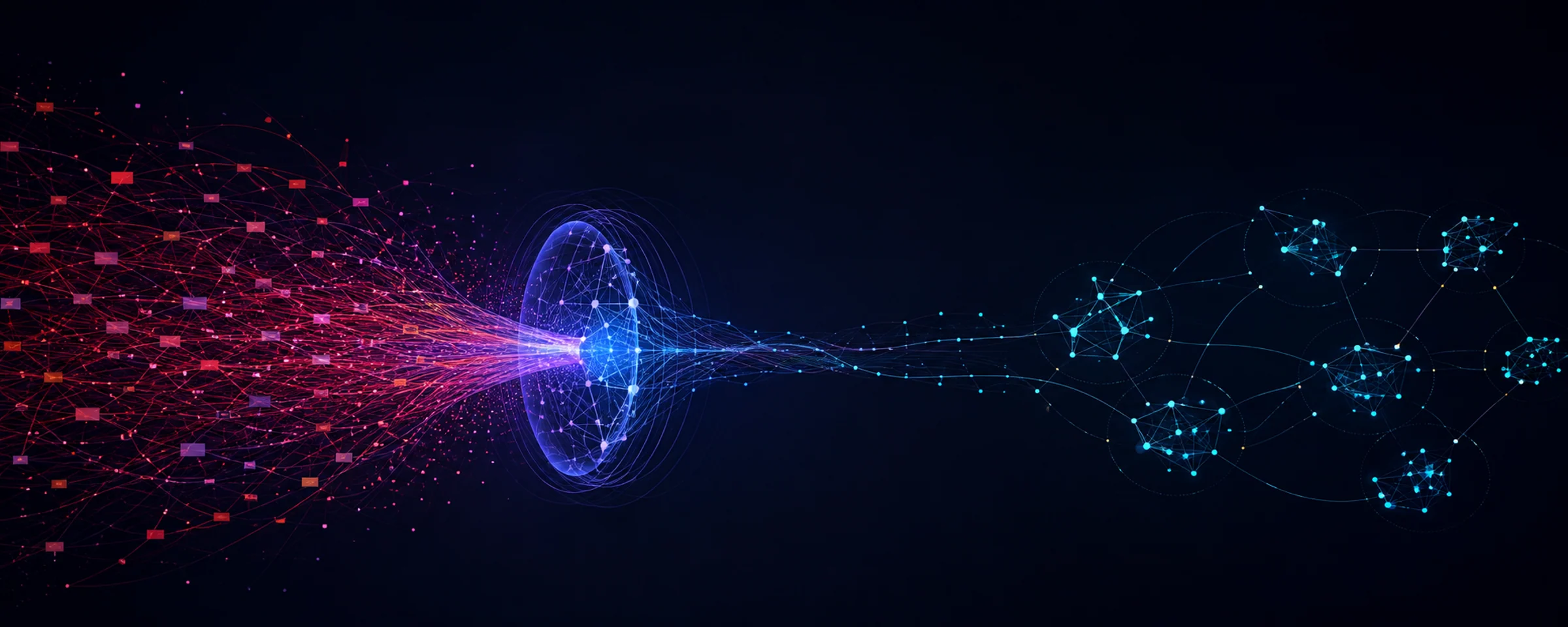
△ Chaotic repository
Code accumulates faster than a person—or a coding agent—can keep the whole system in context.
- Structural mapping
- Semantic mapping
- Dependency graph
- Capability model
- Fresh Eyes review
- AI comparison
- Change tracking
- Impact analysis
✓ Architectural clarity
A shared, evidence-backed model explains the system and guides the next change.
Keep the speed of AI coding.
Recover the architectural judgment it tends to lose.
The architecture sidekick
Not another code search.
A second opinion on the whole system.
01System understanding
A map that means something
See capabilities, areas, modules, symbols, dependencies, ownership boundaries, and how they evolved—not just a cloud of nodes.
02Agent guidance
Context your agent can use
Ask where a feature belongs, what it may affect, which tests matter, and which patterns already exist before another change is written.
03Architecture oversight
Pressure against entropy
Surface boundary drift, cycles, hotspots, duplication, oversized modules, dead-code candidates, and refactoring opportunities with evidence.
One model, two interfaces
The human and the agent see the same architecture.
The dashboard makes a codebase legible. MCP gives that same evidence to the coding agent already doing the work. Both operate on the AnaxiIndex instead of rebuilding a partial mental model in every chat.
Facts stay facts.Static evidence, semantic interpretations, and recommendations remain distinguishable—so useful guidance does not pretend to be certainty.
Map
A deterministic, read-only scan records files, symbols, relationships, history, churn, and architecture evidence.
Understand
Your coding agent uses its own tokens to describe module intent and relationships. Hashes prevent unchanged code from being reread.
Guide
Before a change, retrieve the smallest useful context, existing patterns, blast radius, tests, and architectural options.
Working in minutes
Bring the architecture sidekick into any repository.
Run the dashboard, enable agent-funded semantic understanding, and connect Codex in one local command.
$ uvx anaxigraph up . \
  --open \
  --semantic agent \
  --connect codex
Scans locally. Target code is never executed or modified.
Software should become easier to understand as it grows.